
Mastering Your Bookshelf: A Professional Organizer's Guide
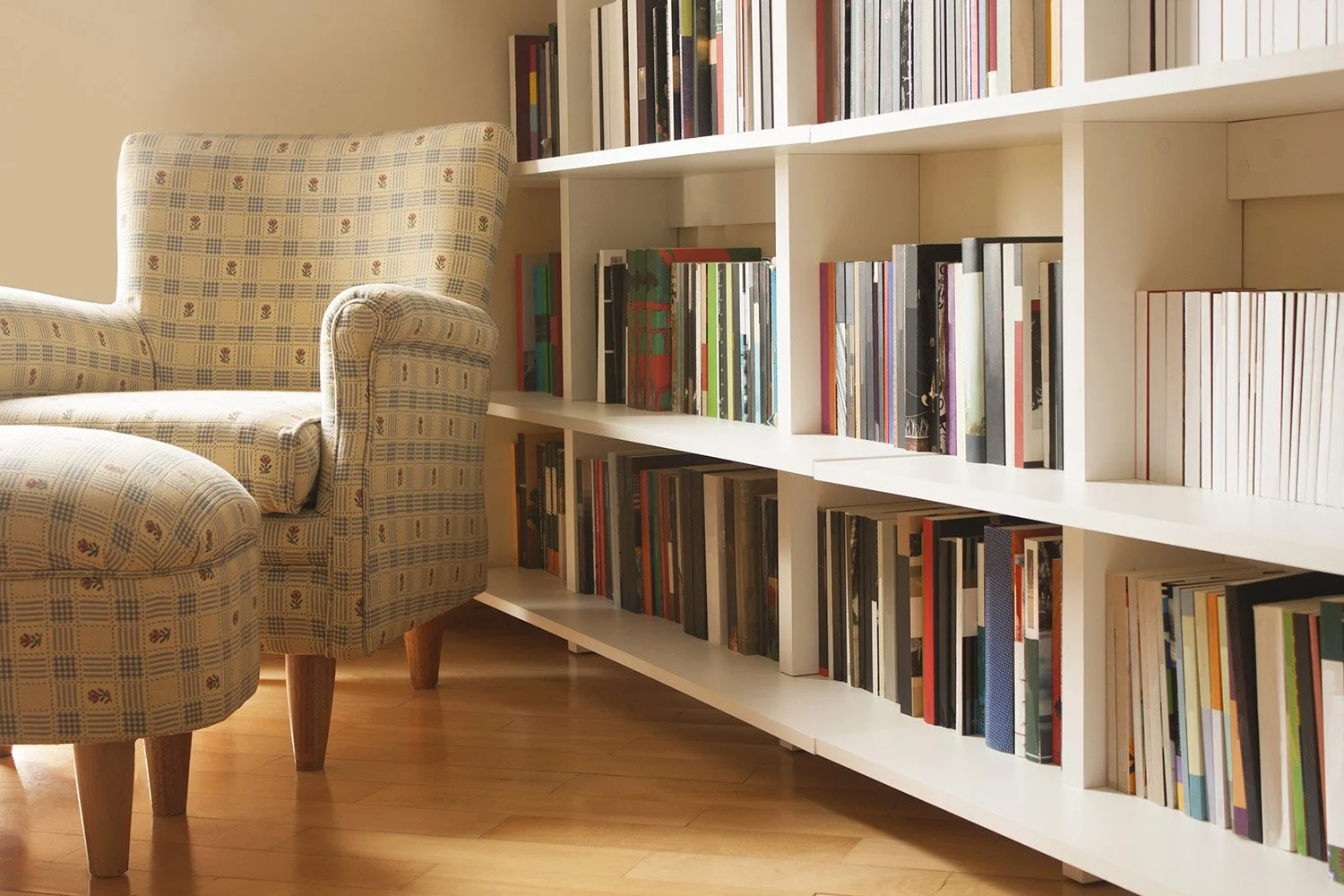
Bookshelves are more than just storage spaces for books—they’re an expression of your personality, a showcase for your interests, and even a design feature in your home. However, it’s easy for them to become cluttered and chaotic. If you’ve been staring at your bookshelf wondering how to bring order and style to it, you’re in the right place. Here’s a step-by-step guide to organizing your bookshelf like a pro.
Empty the Bookshelf
Start by removing everything from your bookshelf. This blank slate gives you the opportunity to rethink how you want your bookshelf to look and function. Place all your items on a flat surface, grouping books and decor separately. This is also a good time to dust the shelves and clean any items before placing them back (don’t skip this step!).
Sort and Declutter
As you handle each book, ask yourself:
Have I read this? And if so, will I read it again?
Is this something that I want to read?
Does this book hold sentimental value?
If the answer is "no" to any of these, consider donating or selling the book. For decor items, assess whether they’re still meaningful or complement the style you want for your space. Be intentional about what you keep—every item should earn its place on your shelf.
Categorize Your Books
Group your books in a way that makes sense for you. Remember, there is no right or wrong way to keep and display your books— it’s entirely up to you. Some common methods include:
By genre: Fiction, non-fiction, biographies, etc.
By author: Alphabetical order for easy retrieval.
By color: A popular choice for creating a striking visual effect.
By size: Large books on the bottom for stability, smaller ones higher up.
Choose a system that suits your needs and aesthetic preferences.
Create Zones
Most people don’t have their books in just one spot in their home. Think about the different places you have books… does it make sense? Should you divide your zones to better suit your needs? Or do you need to divide your bookshelf into zones? For instance:
A bookshelf can have:
Books: The main focus of the bookshelf.
Decor: Add personal touches like plants, framed photos, or collectibles.
Empty space: Allow for some negative space to keep the shelf from looking overcrowded.
Your home can have:
Shelves with decorative books and sentimental items
Kid bookshelves
Office bookshelves that house books and materials related to your job
Tables where books can be displayed
Cookbook shelf in your kitchen or dining area
By thinking about zones in different areas of your home, you can create a visually pleasing and organized structure.
Arrange Thoughtfully
When placing items back:
Anchor large items: Place larger or heavier books and decor at the bottom to ground the arrangement.
Group in odd numbers: Clusters of three or five items are more visually appealing.
Layer decor: Place smaller items in front of larger ones to create depth.
Add texture: Mix materials—wooden bookends, ceramic vases, or woven baskets—to make the display dynamic.
Function & Order are Key
A bookshelf should look great but also be practical. Leave space for new books if you’re an avid reader, and ensure frequently accessed books are easy to reach. If kids will use the shelf, keep their books on lower levels. You should also remember, your bookshelf’s organization isn’t a one-and-done project. Regularly reassess its contents to keep it tidy. When adding new books or decor, evaluate whether they fit within your system or if it’s time to let go of older items.
An organized bookshelf isn’t just a feast for the eyes—it also makes your space more functional and enjoyable. With a bit of effort and intention, your bookshelf can go from cluttered chaos to curated calm. So go ahead, roll up your sleeves, and transform your bookshelf into a masterpiece!